
The best traffic enforcement solution for a city or authority is not a single camera. It is a connected system: AI capabilities, video analytics, IoT sensing, and an enforcement platform that handles detection, evidence, and follow-up together. Mview Analytics by Mgroup builds and integrates this kind of system for municipalities, police, and government agencies, covering traffic enforcement, parking enforcement, road safety, and public order.
Which setup is best depends on the problem you need to solve: speeding, illegal parking, blocked bus lanes, drivers who do not yield at crossings, heavy vehicles on restricted roads, or any other parking or traffic offense. The sections below explain what to look for.
The building blocks of a modern enforcement system
A solution that covers the full scope of the work has several layers that must function as one system, not as separate purchases.
-
Advanced video cameras, hardware, and software that reliably capture violations.
-
An AI platform for object and event detection that identifies potential violations.
-
IoT-based sensing and data collection that adds context the camera alone cannot provide (Under advanced privacy protection).
-
System integration interfaces that connect enforcement to existing municipal and police systems.
-
Secure, encrypted evidence management for decision-makers.
A weak link in any layer, such as poor evidence handling, undermines the whole project. When comparing vendors, ask who owns integration and operations, not only who supplies the camera.
Match the solution to the violation
Patrol cars cannot be on every street, but cameras with advanced video analytics can monitor for violations around the clock. The right configuration depends on what you enforce.
-
Illegal parking: video analytics cameras detect violations without patrol cars. See our guide to illegal parking enforcement with video analytics.
-
Bus lanes: cameras protect public transport flow. Read about bus lane enforcement with advanced cameras.
-
Pedestrian crossings: police cannot watch every crosswalk, but cameras can detect drivers who fail to yield. See pedestrian crossing enforcement.
-
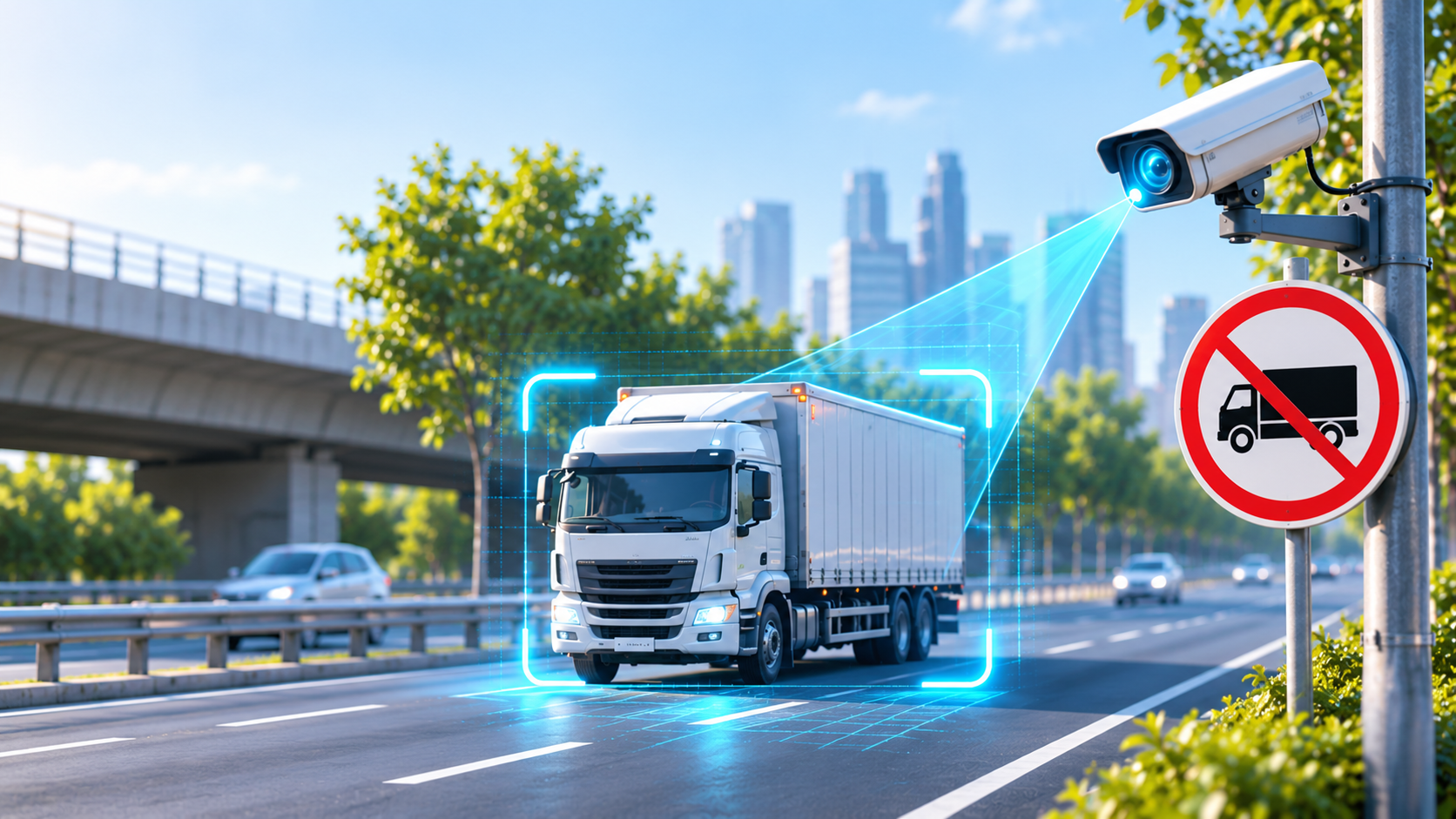
Heavy vehicles: restricted streets and bridges only protect a city if trucks actually stay off them. See truck restriction enforcement.
Mobile enforcement: vehicles, scooters, and officers on foot
Fixed cameras cover known hotspots. Mobile enforcement covers everything else. Systems can be mounted on a car or a scooter to patrol different streets, and app-based tools let officers and inspectors on foot record and process violations on the spot.
Combining fixed and mobile units gives an authority both constant coverage at critical points and flexibility to respond as problems move. It also makes deterrence more credible, because a comprehensive solution enables operational efficiency in enforcement.
What authorities should expect: safety, revenue, and ROI
Well-run enforcement does several things at once. It reduces injuries to road users, strengthens public order and deterrence, and generates revenue for national and local authorities. Projects can be structured to show a fast, clear return on investment, which matters when budgets must be justified to elected officials.
A pilot project is a practical way to prove results before scaling. It lets you test detection accuracy, evidence quality, and back-office workflow on a limited area first.
Privacy, security, and compliance
Any enforcement system handles sensitive data: images, plate information, and violation records. Privacy, data protection, and local regulatory requirements must be addressed in the design, not added later. Check how a vendor secures evidence and controls access, and confirm the system fits the legal framework in your country. Our article on cybersecurity in smart traffic enforcement covers this in more detail.
To compare options against your own criteria, read how to choose a traffic enforcement system, or review our enforcement solutions and technology pages.
Frequently asked questions
What are the best traffic enforcement solutions available?
The best solutions are connected systems that combine AI video analytics, advanced cameras, IoT sensing, and secure evidence management. Fixed cameras can be paired with mobile units mounted on cars or scooters, and app-based tools for officers on foot.
Can enforcement systems generate revenue for authorities?
Yes. Enforcement systems can generate revenue for national and local authorities while also supporting public order and road safety.
What is mobile traffic enforcement?
Mobile enforcement uses systems mounted on a car or a scooter, as well as app-based tools for officers and inspectors on foot. It lets an authority cover streets that fixed cameras do not reach.
Which violations can Video Analytics cameras detect?
Video analytics cameras can be used to detect illegal parking, bus lane violations, drivers who fail to yield at pedestrian crossings, heavy vehicles on restricted roads and, in fact, almost every traffic or parking violation that occurs in the public space.
How can an authority test a system before committing to it?
A pilot project lets an authority test detection accuracy, evidence quality, and workflow in a limited area before scaling up.
What privacy and security issues should be checked?
Check how images and violation records are stored and accessed, how evidence is encrypted, and whether the system meets the data and privacy protection and regulatory requirements of your country.